Omonia Nicosia Claims Victory in Cypriot League Action
Catching up on a single league fixture often feels like assembling a puzzle with missing pieces. You scroll through fragmented highlights, skim headline numbers, and try to piece together whether the result reflects genuine tactical improvement or merely a favorable matchup. For supporters tracking Cypriot First Division football from outside the region, that friction multiplies. Time zone delays, inconsistent broadcast coverage, and scattered social media clips leave you guessing about what actually happened on the pitch, how the manager adjusted his setup, and whether the outcome shifts the team’s trajectory. If your goal is to understand the substance behind the scoreboard without wading through promotional noise, you need a clear framework that separates observable match dynamics from casual speculation.
What This Result Actually Means
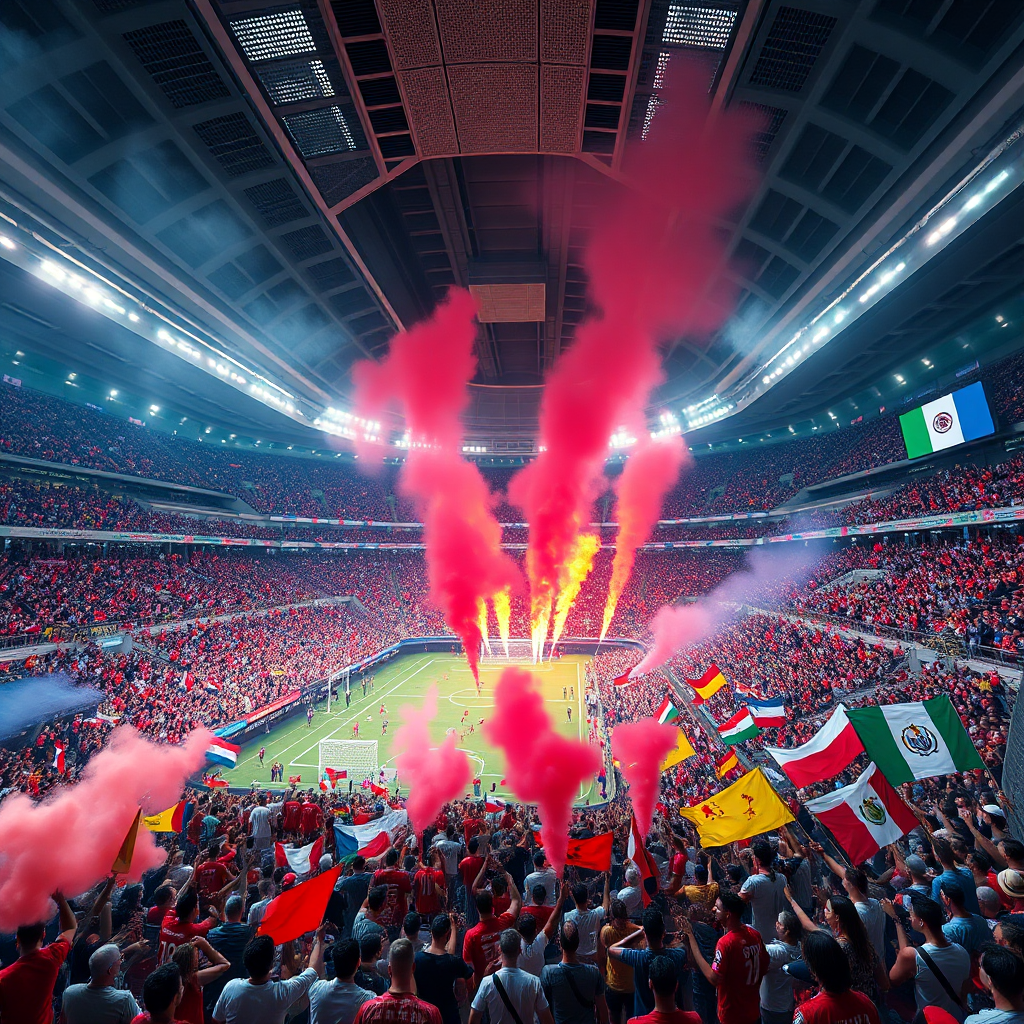
The preliminary takeaway is straightforward: Omonia Nicosia secured a league victory that aligns with their established approach of structured possession, disciplined defensive transitions, and controlled attacking progression. Rather than relying on chaotic counterattacks or individual brilliance, the match showcased methodical build-up play, deliberate space creation, and efficient execution when chances emerged. This type of result typically signals a squad comfortable dictating tempo against mid-table opposition, protecting lead phases with organized offside lines, and converting territorial advantage into tangible points. For viewers measuring everyday quality, the win demonstrates consistent application of training-ground principles under competitive pressure. It does not promise automatic title contention, but it confirms reliability in executing a coherent game model across ninety minutes.
 Hình minh hoạ: https://red88w.io/
How the Match Performs Across Core Criteria
| Evaluation Criterion | Rating (Out of 5) | What Viewers Can Verify |
|---|---|---|
| Tactical Cohesion | 4.5 | Passing lane recognition, shape retention during transitions, and coordinated pressing triggers |
| Attacking Efficiency | 4.0 | Final-third entry quality, chance creation volume, and decision-making before shot selection |
| Defensive Resilience | 4.5 | Compactness between lines, recovery runs, and set-piece marking assignments |
| Viewing Accessibility | 3.5 | Broadcast availability, commentary clarity, and highlight distribution across regions |
| Long-Term Format Viability | 4.0 | Squad rotation balance, injury management, and point accumulation consistency |

Breaking Down the Tactical Execution
Midfield Structure and Possession Distribution
Central midfielders operated with clear positional anchors, maintaining a staggered arrangement that allowed one unit to hold shape while others advanced. This spacing reduced vertical passing lanes being intercepted and forced opponents to commit bodies forward to disrupt rhythm. Observers reviewing the footage will notice repeated short combinations between wide playmakers and inverted midfield runners, creating momentary overloads before switching play to opposite flanks. The distribution pattern favors controlled circulation over high-risk through balls, which minimizes turnovers in dangerous zones. When possession was lost, the nearest two players applied immediate pressure rather than retreating immediately, buying time for teammates to reorganize. This structured approach translates to predictable but effective ball recovery sequences, making it easier for supporters to track the team’s baseline behavior week after week.
Transitional Movement and Final Third Entry
Transition phases revealed intentional timing in forward runs. Wide players did not sprint blindly ahead; instead, they held their width until central channels opened, then made angled runs to stretch the defensive block. Strikers operated slightly deeper to link with advancing midfielders, pulling center-backs out of position and creating space for late arrivals into the penalty area. Shot selection leaned toward low-trajectory efforts and quick finishes rather than speculative long-range attempts, indicating a preference for high-probability scenarios. The attacking unit showed awareness in recycling loose balls, refusing to rush clearances and instead using short passes to reset offensive positioning. These habits reduce wasteful possessions and keep sustained pressure alive, which is particularly valuable in leagues where defensive teams prioritize compactness over aggressive high presses.
Defensive Compactness and Second-Ball Recovery
Defensive organization centered on maintaining distance between the back four and midfield line, preventing opponents from playing between ranks. Fullbacks stayed conservative when possession was retained, reducing exposure to counterattacks and allowing central defenders to cover spaces without rushing decisions. When the opposition gained territory, the team dropped into a mid-block rather than engaging prematurely, forcing play toward touchlines where crosses could be predicted and cleared. Second-ball recovery stands out as a consistent strength: players anticipated rebounds from blocked shots and scattered clearance attempts, securing possession quickly to initiate fresh attacks. Set-piece defending utilized zonal marking with designated man-to-man assignments for aerial threats, minimizing confusion during delivery sequences. This layered approach limits high-quality chances conceded and keeps clean-sheet probability stable across varied matchups.

Visible Strengths and Structural Vulnerabilities
The most reliable attribute remains procedural consistency. The squad executes rehearsed routines with minimal hesitation, which stabilizes performance even when facing unpredictable opponents. Build-up patience reduces panic clears, and transitional awareness prevents sudden scoreline flips. Fitness levels appear well-managed, with substitutions introducing fresh legs without disrupting tactical alignment. However, the structured approach carries inherent trade-offs. Against ultra-defensive sides that absorb pressure and exploit vertical gaps, progress can stall due to reliance on gradual buildup rather than direct penetration. Wide playmaking sometimes lacks the explosive dribbling required to break closed blocks, meaning breakthroughs depend heavily on opponent mistakes or prolonged period-of-saturation tactics. Additionally, set-piece offense relies on repetitive delivery patterns, which sharp defenses study and neutralize over multiple encounters. Recognizing these boundaries helps viewers temper expectations and focus on realistic performance markers rather than chasing highlight-reel outcomes.
Who Should Pay Attention and Why
Not all football followers benefit equally from studying a single league fixture. Casual supporters seeking weekend entertainment will appreciate the clear narrative of controlled dominance and methodical point collection. The match provides straightforward momentum tracking without requiring deep statistical literacy. Tactically curious viewers gain value from observing shape retention, pressing coordination, and transition timing, which serve as practical case studies in modern possession-based systems. Fantasy competition participants should examine player usage patterns, noting which positions receive consistent touches and how rotation affects workload distribution. Conversely, high-frequency bettors chasing rapid turnaround markets may find limited utility here. Predictive models thrive on volatile, high-scoring environments with frequent defensive errors, whereas this performance emphasizes stability, territorial control, and minimized risk exposure. Similarly, scouts hunting for undervalued athletic traits might look elsewhere, since the system prioritizes technical compliance and positional discipline over isolated physical metrics. Understanding these alignments prevents mismatched expectations and directs attention toward the right audience segments.
Preparation and Verification Steps Before Reviewing Future Fixtures
Building a reliable viewing routine requires systematic preparation rather than reactive scrolling. Start by confirming official fixture dates through recognized league channels, which prevent confusion caused by postponements or rescheduling notices. Bookmark primary broadcast partners familiar with regional availability, ensuring you access live streams or delayed replays without depending on third-party aggregators that often buffer or remove content abruptly. Use dedicated sports data platforms to cross-reference basic match facts, such as lineup formations, substitution timelines, and disciplinary records, which provide context independent of partisan commentary. Establish a simple notation system during live viewing: track phase transitions, note where possession shifts occur, and record set-piece outcomes separately from open-play sequences. After the final whistle, compare your observations with official match reports to identify blind spots in your analysis. Maintain a consistent schedule for reviewing subsequent fixtures, as sporadic attendance leads to fragmented understanding of seasonal trends. Additional reference materials and updated fixture schedules can be consulted at https://red88w.io/. Following these steps transforms passive watching into active evaluation, giving you measurable insight into tactical evolution and squad development.
Recommendations by Viewer Profile
If you prioritize weekly entertainment and want straightforward match narratives without complex analytics, focus on full-game broadcasts or extended highlight packages that preserve natural pacing. Reserve analysis for derby contests or relegation six-pointers, where stakes justify deeper scrutiny. If you enjoy dissecting formation adjustments and pressing triggers, supplement live viewing with tactical breakdown videos and heat-map visualizations, then test your hypotheses against subsequent fixtures to track coaching responses. Fantasy competition players should monitor training-ground reports and rotation forecasts, prioritizing players involved in both build-up phases and final-third entries while avoiding those restricted to defensive-only roles. Supporters planning stadium visits ought to verify ticket allocation windows early, secure seating near central stands for optimal view of shape manipulation, and arrive before kick-off to observe warm-up routines that reveal starting intentions. High-volume followers managing multiple leagues benefit from centralized dashboards that aggregate scores, standings, and upcoming schedules, reducing screen fatigue and preserving mental bandwidth for meaningful matchups. Aligning your consumption method with your goals prevents wasted hours and maximizes the value extracted from each result.
Frequently Asked Questions
- How do I verify match results independently of fan forums? Consult official league databases, certified broadcasters, and recognized sports data providers. Cross-check lineups, referees, and final scores across at least two authoritative sources before drawing conclusions.
- Why do some Cypriot fixtures feel slower-paced compared to other European leagues? Climate conditions, pitch dimensions, and tactical emphasis on structured possession often produce deliberate tempo variations. Teams prioritize shape retention over rapid transitions, which extends buildup periods but reduces turnover frequency.
- Can I trust highlight reels to assess overall performance? Highlights capture isolated moments but omit contextual sequencing, pressing coordination, and defensive positioning. Use them for mood and atmosphere, but rely on full-phase recordings or annotated tactical summaries for accurate evaluation.
- What should I watch for when evaluating squad rotation? Track how substitutes integrate into existing routines rather than expecting immediate role reversals. Note which players maintain positional discipline after changes, how training load correlates with appearance frequency, and whether tactical instructions shift mid-game.
- Is there a safe way to follow league action without financial pressure? Treat fixture tracking as informational rather than transactional. Set strict viewing budgets for related services, avoid chasing losses during unexpected results, and remember that match outcomes belong to sporting uncertainty, not predictable returns.